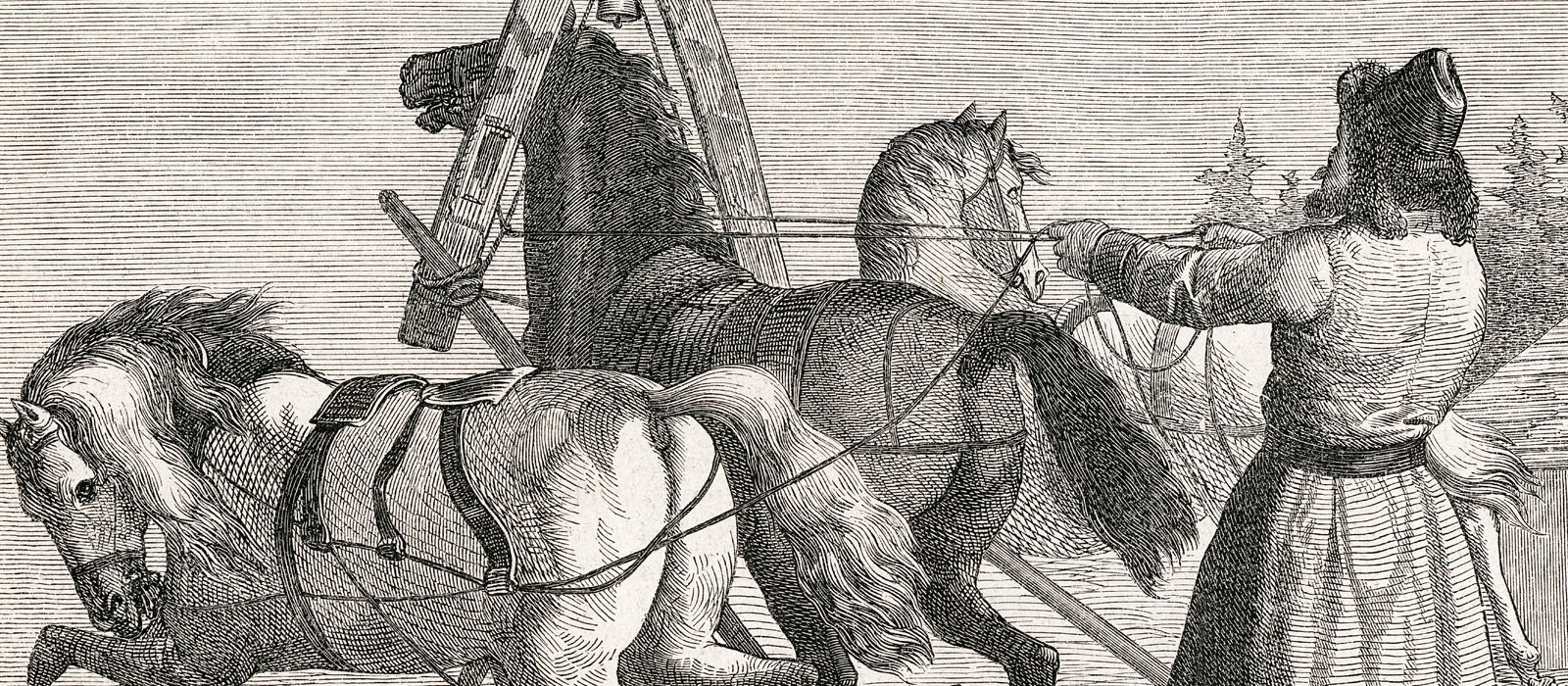
At a time when art pursued heroes and myths, he stayed close to the people. Antonín Gareis the Younger, a largely forgotten Czech painter of the 19th century, captured the poetry of everyday life. His paintings breathe with music, laughter, and the scent of the real world.
From His Father’s Studio to His Own World of Color
The name Gareis carries a quiet legacy in Czech art. Antonín Jan Gareis the Elder (1793–1863), the father, was a respected graphic artist, lithographer, and caricaturist. His delicate watercolors and lithographs circulated among the Prague bourgeoisie, mirroring a changing world. In his studio, young Antonín grew up surrounded by pencils and paintbrushes instead of toys. His father often reminded him:
“Draw what you see, and you will see more than you think.”
That phrase became the son’s lifelong creed.
From the Academy to the Village Fair
Born in 1837 in Prague, Antonín Gareis the Younger studied at the Academy of Fine Arts in Prague under Eduard von Engerth, a professor known for his grand historical compositions. But while his classmates dreamt of battles and heroes, Gareis turned his gaze to the lives of ordinary people.
He painted what he knew best — village life, musicians, markets, fairs, and children at play. His most celebrated work, “The Village Feast” (1863), now in the National Gallery in Prague, glows with light and movement. Dancing couples, laughter, folk costumes, and summer sunshine fill the scene. It’s not just a picture of a celebration; it’s the feeling of being there.
As one critic, Jan Neruda, once observed:
“Gareis painted what was happening, not what should happen.”
Illustrator with Humor and Heart
Beyond painting, Gareis made a living as an illustrator. His drawings appeared in leading Czech periodicals of the time, such as Zlatá Praha, Světozor, Květy, and Český svět.
He possessed a rare gift: to capture humor without mockery. His sketches of villagers, musicians, and bustling markets are full of warmth and sympathy. Each line seems to carry a story — a look, a gesture, a fleeting joke shared between friends. His work is not caricature, but rather a gentle theater of humanity.
Journeys in Search of Inspiration
Gareis was an observer by nature. He traveled through Moravia, Hungary, and Austria, collecting studies of folk costumes and character types. In his notebooks, he recorded gestures, conversations, and moods — details that later brought life to his paintings.
Contemporaries described him as “a painter who painted with his ears” — one who listened deeply to people in order to depict them truthfully. His works thus became a kind of visual ethnographic diary of the 19th century.
When the Light Faded
In the 1880s, tragedy struck. Gareis began to lose his eyesight. For a man whose entire life revolved around seeing, it was a devastating blow. Although he could no longer paint, he remained active in Prague’s artistic circles.
He was a respected member of the Umělecká beseda (Artistic Society), where colleagues admired his wit and gentle spirit. They later recalled how he could describe his paintings so vividly that they could almost see them through his words.
Gareis died in 1922 in Prague, quietly and without much public attention. Yet his work endures — modest, sincere, and deeply human.
The Legacy of an Ordinary Visionary
Looking at Gareis’s paintings today, one sees more than genre scenes. They are tributes to everyday life — to laughter, work, and quiet dignity. While the modern world rushed toward progress, Gareis captured what was slipping away: human closeness, simple joy, the scent of harvest fields.
His art is not a grand historical narrative, but a time capsule of empathy. Through his brush, the music of the village feast and the warmth of shared life continue to resonate.
Antonín Gareis the Younger may never have been a revolutionary artist, but his place in Czech art history is secure. He was a painter of silence, light, and people — and that may matter more than any academic fame.
In a world that often overlooks the ordinary, Gareis found beauty — and shared it with all who cared to see.